Coyyn.com Digital Economy: Online Finance and Business
The digital world has reshaped the way people work, exchange money, communicate, and operate businesses. Readers searching for the Coyyn.com Digital Economy want a clear explanation of how online finance and business systems function together in a single digital space. As online platforms expand, users rely on accurate guidance to navigate complex networks, understand financial tools, and build sustainable digital ventures. Digital transformation has removed the limitations of geography, allowing individuals and organizations to interact instantly across borders. This shift has made the digital economy one of the most influential forces shaping modern business.
The phrase coyyn.com digital economy represents a broad structure where online systems, remote services, digital payments, content platforms, virtual marketplaces, and communication networks combine into a living financial environment. Businesses no longer depend solely on physical locations or local networks. A creator in one country can serve clients across several continents with nothing more than a laptop and a reliable internet connection. This expanded reach makes digital business one of the most accessible models for new entrepreneurs.
A digital economy platform thrives on stability, clarity, and transparency. People exploring the coyyn com digital economy want to understand how payment flows work, how data moves between systems, and how online business frameworks support growth. A strong platform provides structure for both newcomers and experienced professionals. The modern digital economy encourages flexibility by letting users manage income streams, launch projects, collaborate remotely, organize financial records, and engage with global communities.
Understanding the Foundation of the Coyyn.com Digital Economy
The concept behind Coyyn.com Digital Economy includes the full ecosystem of tools and services that support online activity. It spans digital communication channels, transaction services, business dashboards, customer access portals, and cloud-supported systems that allow businesses to operate without the limitations of physical infrastructure. These systems work together so users can handle financial tasks, manage resources, review performance, and build their online presence with confidence.
Unlike traditional business models, where operations relied heavily on physical resources, the digital economy shifts most activity into online platforms. This allows users to complete tasks quickly and adjust strategies without the delays associated with offline systems. Whether someone is running a marketplace, offering remote services, or building a subscription-based platform, the structure remains agile and adaptable. The strength of the coyyn.com digital economy lies in this combination of accessibility and scalability.
The foundation of the digital economy is built on reliable connectivity, efficient communication, and digital tools that simplify complex tasks. Payment systems, encrypted workflows, customer dashboards, messaging channels, and remote management tools all function as pillars that support online business activity. These elements reduce friction and allow users to focus on growth rather than administrative stress.
Why the Digital Economy Holds Growing Importance
The digital economy matters because it empowers individuals and businesses to participate in global commerce without high entry barriers. Even small creators can reach audiences that once required large corporate budgets or physical expansion. Digital business removes many traditional limits by replacing slow processes with automated systems, online collaboration tools, and real-time communication platforms.
People exploring the Coyyn.com Digital Economy often want to understand how these systems influence their ability to succeed online. The modern digital landscape encourages growth by supporting flexible working hours, remote partnerships, online consulting, digital storefronts, and subscription-based content. A single individual can now manage an international brand without ever meeting customers in person. This level of accessibility makes the digital economy appealing to anyone seeking to build a modern business.
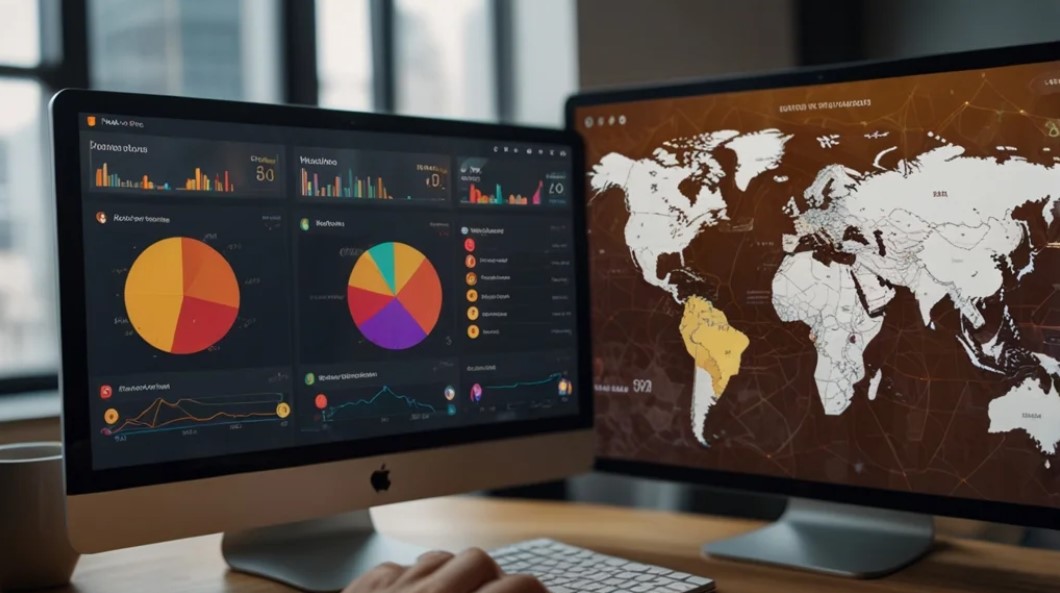
The shift to online finance also brings improved efficiency. Transactions move faster, user interactions happen instantly, and financial tracking becomes simpler thanks to dashboards that update in real time. The digital economy also provides an opportunity for users who live in areas with limited access to physical banking or business resources. With internet access, they can join global networks and participate in economic activity that was once out of reach.
Digital Finance and Its Role Within Coyyn.com Digital Economy
Digital finance powers every part of modern online business. Without secure, reliable financial tools, digital enterprises would collapse. The Coyyn.com Digital Economy relies on smooth transitions between payments, user verification, digital wallets, transaction logs, and cloud-supported financial dashboards. These systems allow users to manage money efficiently while minimizing risk.
The digital finance world includes a wide range of tools such as rapid transfers, mobile-based financial platforms, remote billing systems, crypto trading environments, and peer-based payment networks. These systems reduce the friction that once slowed financial interactions. In many cases, a user can send money across the world in seconds. Digital finance also allows small businesses to accept payments without needing a complex banking setup, making entrepreneurship far more accessible.
People engaged in the coyyn com digital economy use these financial tools daily to support online work. Whether sending invoices, reviewing account activity, setting up subscription billing, or managing personal records, digital finance remains essential. Its growth continues to accelerate as more businesses move entirely to online systems.
Digital Business Models Shaped by the Coyyn.com Digital Economy
The digital economy supports a wide range of business models. E-commerce continues to dominate the space, with countless businesses selling both physical and digital products. Service-based models also flourish, with freelancers offering consulting, writing, design, tech support, and specialized skills entirely online.
Platform-driven businesses have gained significant traction as well. These include membership-based communities, subscription content, digital learning platforms, and automated software tools. Users rely on platform structures to manage customer interactions, publish content, and send updates.
Digital asset trading adds another layer of complexity to the modern economic structure. People trade crypto, tokenized items, digital artwork, and other digital assets as part of a constantly evolving market. While these markets behave differently from traditional finance, they contribute heavily to online financial activity and expand the range of opportunities available in the coyyn.com digital economy.
Every model benefits from the digital economy’s flexibility. Users can test new ideas, shift strategies quickly, and scale operations based on global demand.
How Technology Shapes the Digital Economy
Technology acts as the backbone of the Coyyn.com Digital Economy by enabling secure transactions, stable login portals, automated workflows, and real-time updates. Authentication systems ensure that sensitive data remains protected. Encryption shields financial information during transfers. Cloud-based dashboards give business owners the ability to manage their operations from any device.
The effectiveness of the digital economy depends on the reliability of these systems. When dashboards load quickly, when financial information remains secure, and when online communication flows smoothly, users trust the platform. Trust encourages consistent participation, which strengthens the overall economic environment.
Technology also expands opportunities for automation. Instead of manually tracking transactions, users rely on automated logs. Instead of managing customer lists manually, they utilize integrated CRM tools. Instead of running physical offices, they operate entirely online.
Security and Trust Inside Coyyn.com Digital Economy
Security plays a defining role in digital finance. Without reliable safeguards, users would hesitate to participate. Platforms supporting the Coyyn.com Digital Economy must prioritize secure login sessions, encrypted transfers, safe identity verification, and carefully maintained data protection practices.
Trust forms the heart of every financial environment. Users want assurance that their information will not be misused or exposed. They expect clear privacy policies, dependable support, and systems that maintain stability even during high traffic periods. A trustworthy platform creates a strong foundation for long-term economic participation.
How Users Participate in Digital Economic Systems
Participation inside the coyyn.com digital economy extends far beyond simple purchases. Users manage subscriptions, send digital payments, maintain dashboards, collaborate with remote partners, join content communities, and engage with platforms that handle everything from storefronts to digital learning environments. These interactions build the economy from the ground up.
A smooth experience encourages continued participation. When users sign in without delays, navigate pages easily, find the information they need, and complete financial tasks without stress, they become part of a sustainable economic cycle.
People join the digital economy at different levels. Some start as buyers. Others become sellers, service providers, consultants, or content creators. As participation expands, the digital economy becomes stronger, more diverse, and more resilient.
Global Reach and Accessibility in the Coyyn.com Digital Economy
Global accessibility strengthens the digital economy by connecting people across distances. A business that once served a local region can now reach customers around the world. Platforms tied to the Coyyn.com Digital Economy help users understand how to build communication channels that work across time zones, cultures, and devices.
This expanded reach supports growth for small and large enterprises alike. People from different backgrounds can participate equally because online platforms remove many of the barriers that once limited global commerce. Accessibility fosters inclusivity and broadens financial opportunity for individuals who previously lacked access to traditional business structures.
Conclusion
The Coyyn.com Digital Economy reflects the growing shift toward online financial systems and digital business structures that define modern commerce. By understanding how online finance works, how digital tools operate, and how global communication shapes business opportunities, users can enter the digital economy with clarity and purpose. Those who adapt to these systems gain a powerful advantage in today’s interconnected world. The coyyn.com digital economy continues to expand, offering countless pathways for building strong and sustainable online ventures.