
Beginner’s Guide to Personal Banking: How to Choose Your First Bank Account
Personal Banking is one of those life steps that seems simple until you actually do it. You walk into a bank or open a site online, and suddenly you’re looking at checking account options, savings accounts, fees, debit card features, mobile app tools, and terms that sound like a different language. A first bank account is not just a place to store money. It becomes the center of your everyday transactions, your direct deposit, your bill payments, your financial safety, and often your first experience with credit products later on.
The good news is that Personal Banking is easier when you know what to look for. You do not need to be an investment expert or understand every banking product on day one. You only need to choose a bank account that matches your financial needs, keeps fees low, offers safe access, and gives you the right services as you grow. Whether you prefer a branch bank, a federal credit union, or an online bank, the right setup helps you avoid common mistakes, like opening an account with monthly maintenance fees you cannot waive or choosing a bank with ATM fees that hit you every week.
This guide is written for beginners who want a clear path. It covers what personal banking means, how checking and savings accounts work, how to compare banks, how to use online banking safely, and how to think about loans and credit without rushing into debt. You will also see real-world context using common searches like Personal banking united states online, Personal banking united states login, U.S. Bank online login, United Bank mobile banking login, and even U s bank near me—because these are the kinds of questions people type when they’re ready to start.
What Personal Banking really means for beginners
Personal banking is the set of banking services designed for individuals rather than businesses. It includes the accounts and services you use to manage your daily money. That usually starts with a checking account for spending and a savings account for saving. Over time, personal banking can include credit cards, personal loans, a mortgage, CDs, money market accounts, and insurance products offered through a financial group or partner institutions.
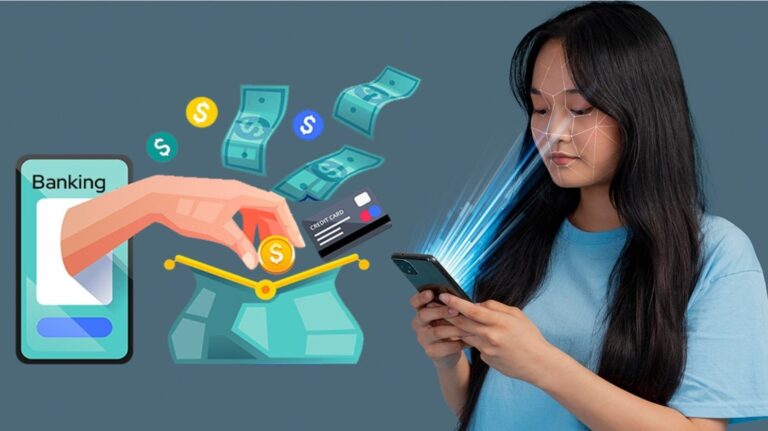
A beginner’s personal banking setup is not complicated. At the start, you want a safe bank account for your deposits, a debit card for payments, and a way to access money quickly through an ATM. You also want the ability to pay bills, receive direct deposit, and track transactions through online banking. This is why many beginners focus on mobile app features, app store ratings, and online login reliability. People search phrases like Personal banking united states app or U.S. Bank Mobile login because modern access matters as much as the account itself.
Personal banking is also about building a relationship with a bank. Some institutions emphasize relationship banking and offer a personal banker who helps you open accounts, understand products, and plan goals. Searches like what is a personal banker, wells fargo personal banker, and personal banker jobs reflect how common that role is in branch banking.
Checking account vs savings account: what to open first
Most beginners should start with a checking account because it’s built for frequent transactions. A checking account is where you keep money for rent, groceries, transportation, and everyday spending. It supports a debit card, bill payments, ATM withdrawals, and electronic deposits. A savings account is built for storing money and usually offers a higher APY than checking. Savings accounts are better for emergency funds and short-term goals.
A good beginner setup often includes both. Your checking account handles spending, and your savings account holds money you do not want to spend casually. Many banks make it easy to move money between accounts through the mobile app, online bank site, or digital banking platform.
When you compare banks, look at how they structure transfers. Some banks make transfers instant and free. Others limit transfers or charge fees in certain cases. Your goal is simple access without hidden costs.
Bank check vs personal check: why the difference matters
Beginners often hear the terms “bank check” and “personal check” and assume they’re the same. They are not. A personal check is written from your checking account. It relies on the funds in your account at the moment it is processed. A bank check, often called a cashier’s check, is issued by the bank and backed by the bank’s funds. It is commonly used for large payments where the recipient wants assurance the money is guaranteed.
This matters because your first checking account may offer checks, but you might not need them right away. Many beginners use debit cards and electronic payments instead. Still, knowing the difference helps you avoid confusion when paying rent deposits, buying a car, or handling official payments.
How to choose your first bank account step by step
Choosing your first bank account becomes easier when you focus on a few practical factors. First, decide what type of bank you want: a traditional branch bank, a credit union, or an online bank. A branch bank offers in-person support and may have a personal banker. A federal credit union often offers competitive fees and a community approach. Online banks emphasize digital banking features and may offer higher savings APY.
Second, look at fees. Beginners should avoid accounts with a monthly service fee unless it’s easy to waive. A monthly maintenance fee can quietly drain your money if you do not meet waiver requirements such as direct deposit or minimum balance. Also look at ATM fees, overdraft fees, and any charges related to paper statements, wire transfers, or account closure.
Third, consider access. Ask yourself how you will deposit money, withdraw cash, and manage your account. Do you need a branch? Do you rely on ATMs often? Do you want everything online? Searches like U s bank near me show how often people prioritize physical access, even in a digital age.
Fourth, examine security. Online banking is convenient, but it needs strong security features like two-factor authentication, reliable login systems, and fraud alerts. Many people compare banks by how smooth the login experience feels, which is why phrases like U.S. Bank online login, U.S. Bank Mobile login, and Personal banking united states login appear so frequently.
Finally, consider the bank’s product path. You may not need loans today, but you may later want a credit card, a personal loan, or even a mortgage. Picking a bank with fair credit products can save time later.
Online banking and mobile apps: what beginners should expect
Most new account holders use online banking from day one. You will likely log in through a website or a mobile app. You might download the app from Google Play or the App Store. You may see the apple logo or service mark associated with certain mobile banking apps, because many banks highlight app store availability in their marketing.
As a beginner, you should expect your bank’s mobile app to allow you to check balance, review transactions, deposit checks through mobile deposit, transfer funds, manage debit card settings, and receive alerts. Some banks also allow you to open new accounts directly in the app.
Search phrases like United Bank mobile banking login or Personal banking united states online reflect the same need: easy access without confusion. You want a platform that works well with your mobile carrier, handles data rates smoothly, and provides stable performance during busy times.
Branch banking, personal bankers, and what they do
Some people feel more comfortable opening a first account in person. That is where a personal banker can help. If you’re wondering what is a personal banker, the simple answer is: a bank employee who helps customers open accounts, understand services, and choose products based on financial needs. Personal bankers can explain checking vs savings, help set up direct deposit, and walk you through online login.
People search wells fargo personal banker and wells fargo personal banker salary because it’s a common role in large banks. You may also see searches like personal banker jobs and personal banker pay rate. Those searches reflect how important relationship-based banking still is.
If you prefer in-person support, choose a bank with nearby branches and a good customer service center. If you prefer digital convenience, an online bank may be enough, but make sure it offers strong support if you need help.
Fees you should understand before opening your first account
Bank fees can surprise beginners. The most common fees include monthly maintenance fees, ATM fees, overdraft fees, and sometimes minimum balance fees. Some banks charge a monthly service fee unless you meet conditions. Others charge for out-of-network ATMs. Many banks also charge overdraft fees if your account does not have enough money for a payment.
Beginners should be cautious with overdraft coverage. Some banks allow transactions to go through and then charge an overdraft fee. Others decline the transaction but may still charge in some situations. The best approach is to keep track of your balance and set alerts.
If you want a quick way to compare banks, ask for the fee schedule and focus on the fees most likely to affect your routine: monthly maintenance fees, atm fees, overdraft fees, transfer fees, and deposit-related limits.
Direct deposit and electronic deposits: why they matter
Direct deposit is one of the most useful features in personal banking. It allows your employer or income source to deposit money directly into your bank account. Many banks waive monthly maintenance fees when you have direct deposit. It also makes payday more convenient because funds arrive electronically, often faster than paper checks.
Electronic deposits include direct deposit and other forms of automated deposits. For beginners, direct deposit can be a simple way to keep fees low and build stable money habits. It also helps when applying for credit products later, because stable deposits show consistent income activity.
Credit, loans, and beginner questions you will see online
Once you open a checking account and savings account, you will start hearing about credit. Banks offer credit cards, personal loans, and lines of credit. Beginners often search questions like does chase bank offer personal loans, citizens bank personal loan, citizens bank personal loans, fifth third bank personal loan, m&t bank personal loan, and amarillo national bank personal loan. These searches reflect a common concern: where to borrow money safely.
A personal loan is typically a fixed amount you borrow and repay over time with interest. A personal line of credit is more flexible: you borrow as needed up to a limit and pay interest on what you use. That’s why people ask which banks offer personal line of credit. The best choice depends on your credit profile, rates, and repayment ability.
As a beginner, you do not need to rush into borrowing. Your first step is building stable banking habits: keeping enough money in checking for payments, building savings, and avoiding overdraft fees. Once you manage that well, credit products become safer tools rather than financial traps.
Personalized banking, retail bank personalization, and what it really means
You might see terms like personalized bank or retail bank personalization. In practice, this means banks tailoring services to customers through account alerts, budgeting insights, customized offers, and personal banker guidance. In modern digital banking, personalization can mean smarter notifications, targeted security warnings, and a smoother app experience.
Some searches like personalized piggy banks or personalized piggy bank are not about banking services directly, but they reflect the same desire: control, identity, and a personal relationship with money. For beginners, the goal is not fancy personalization. The goal is a clear account setup that supports good habits.
Specialized questions beginners ask that sound unusual
Some search phrases look strange at first but reflect real confusion. For example, is kaysan and banks the same person or radio personality doug banks are not personal banking questions, yet they show up in banking-related searches because of names overlapping with “banks.” Another unusual question is would a political campaign bank account be personal or business. The answer generally depends on how the campaign is organized, but most campaigns use a separate account rather than a personal account to keep transactions clean.
You may also see niche searches like vision bank ada personal credit card or nimb personal banking. These show that people compare many institutions, including smaller banks and specialized products.
The lesson for beginners is simple: do not get distracted by the noise. Focus on your needs: a safe account, low fees, strong access, and reliable service.
Choosing between big banks, online banks, and credit unions
Large banks like Chase, Wells Fargo, and U.S. Bank often offer broad product ranges: checking, savings, credit cards, loans, mortgages, and investment products. They also have branches and ATMs. They may charge more fees, but they sometimes offer premium accounts, relationship perks, and strong customer support networks.
Online banks often offer lower fees and better APY on savings accounts. They are built for digital access, with strong mobile apps and online banking features. They may not have branches, so cash deposits can be less convenient.
Credit unions often offer competitive rates and lower fees, focusing on member service. A federal credit union may provide a community-driven approach with strong customer support. Access may vary depending on location, so ATM networks and branch availability matter.
Your best choice depends on how you handle money day to day. If you need branches and frequent cash deposits, a traditional bank may fit better. If you do everything digitally and want lower fees, an online bank may fit. If you want community service and lower costs, a credit union may fit.
Security basics every beginner should follow
Personal banking security is not complicated, but it matters. Use strong passwords, enable two-factor authentication, and avoid logging in on shared devices. Be careful with download links that appear in emails or messages. If you use public Wi-Fi, avoid signing into financial apps unless you trust the network.
Banks also provide fraud alerts, card controls, and notifications. Turn those on. If your debit card is used unexpectedly, you want to know quickly. This is also why stable login systems matter. A bank’s app should protect your account without locking you out constantly.
A simple first-account checklist without confusion
Your first bank account should be easy to use. It should have low fees or clear waiver rules, reliable online banking, a good mobile app, and access to ATMs. It should support direct deposit and provide clear statements. It should also make it easy to add a savings account once your checking is set up.
If you focus on these basics, you will avoid the most common beginner mistakes.
Conclusion
Personal Banking becomes much easier when you choose an account that fits your real routine rather than an idealized version of it. A beginner-friendly checking account should support everyday spending, direct deposit, and simple bill payments without unnecessary fees. A savings account should help you build a safety buffer and earn a reasonable APY while keeping access easy. Whether you choose a large bank, an online bank, or a federal credit union, the right choice is the one that offers reliable access, clear services, fair rates, strong security, and predictable account rules. Once your first bank account is set up well, you gain a stable foundation for future products like credit cards, personal loans, a line of credit, or a mortgage—without rushing into debt or getting trapped by fees.