Gig Economy Apps: Everything You Need to Know in 2025
The gig economy is expanding at a pace that reshapes how people earn money, manage schedules, and choose flexible jobs that fit their lifestyle. By 2025, millions of individuals across the United States, the UK, Australia, Canada, London, Los Angeles, and other major locations rely on gig economy apps to earn extra cash, supplement part-time work, or build full-time independent careers. These platforms offer ways to take on delivery jobs, task-based services, creative freelance work, household projects, market research, driving opportunities, and countless side-hustle assignments.
Because the work arrives through mobile platforms, the modern gig economy app has become the central hub of a worker’s income cycle. People access opportunities anytime, control their schedules, and decide how much time to invest in earning additional income. Apps that once started as simple digital tools have evolved into full-service ecosystems, allowing users to track hours, communicate with customers, process payments, and build their own flexible work routines.
As more people explore side-hustles and independent contracting, the demand for gig economy apps increases. Workers want easy onboarding, clear pay structures, reliable support systems, and user-friendly interfaces. Meanwhile, businesses behind these platforms constantly update features, redesign application flows, and improve payment models to meet user expectations. From finding high-paying opportunities to exploring brand-new platforms, 2025 marks a year where gig workers have more choices than ever before.
Understanding What Gig Economy Apps Really Are
Many people ask, “What is a gig economy app?” or “What are gig economy apps used for?” The term refers to any application that connects individuals with short-term work opportunities. These include delivery drivers, task categories, house projects, writing assignments, cleaning work, moving help, surveys, research projects, and countless other roles that allow flexible earnings.
These apps differ from traditional employment because they do not assign fixed shifts or salaries. Instead, they give users access to gigs that appear in real time, allowing them to work at their own pace. A typical gig economy app uses a digital interface that displays job availability, earning potential, location requirements, payment timing, and user ratings. Workers become independent contractors who choose their preferred assignments.
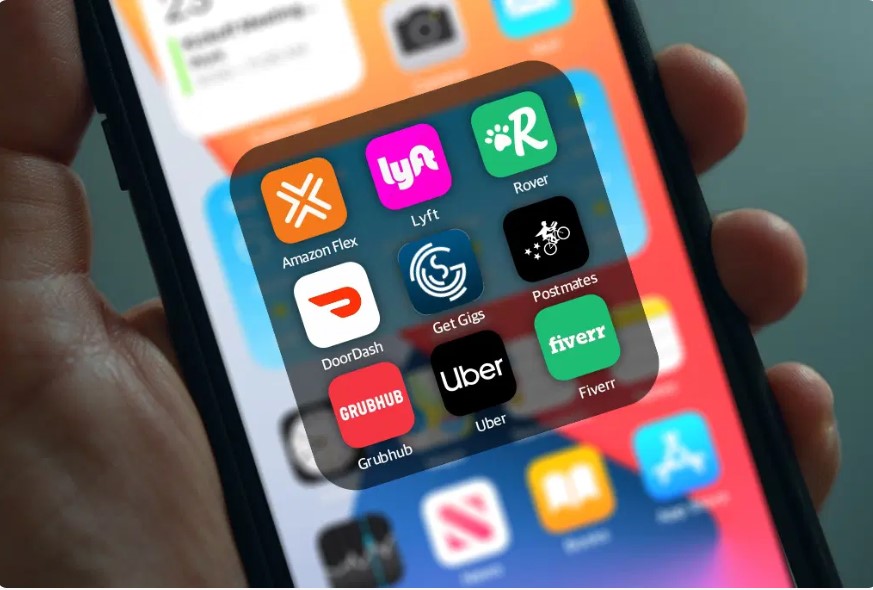
Today, the list of gig economy apps includes hundreds of platforms. Some focus on household help, others on deliveries, creative freelance assignments, or quick cash-based tasks. There are gig economy apps for Android, mobile-based gig apps, web platforms, and hybrid systems that allow workers to toggle between devices. Because these apps serve different needs, it is common for people to use several at once to build more stable income.
Evolution of the Gig Economy App Landscape
From 2018 to 2025, the development of gig apps has expanded rapidly. In earlier years, the best gig economy apps focused mostly on delivery and simple task completion. As the market matured, new platforms emerged that specialized in:
high-value project work
household organization and repairs
micro-services that pay instantly
market research assignments
writing and creative gigs
The introduction of secure digital payment systems, fast identity verification, and clearer contract terms helped these apps scale nationally and internationally. City-based expansions, such as gig economy apps Los Angeles, gig economy apps UK, gig economy apps Australia, and gig economy apps Canada, opened more opportunities for workers worldwide.
By 2025, people want more than task listings. They expect detailed work descriptions, transparent pay models, stable schedule tools, and reliable customer support. This shift pushed platforms to redesign interfaces, improve navigation, and simplify onboarding. Many apps introduced digital wallets, same-day earnings, and instant cash access, evolving into complete financial platforms rather than limited job boards.
How Gig Economy Apps Work in 2025
The functionality behind gig apps is straightforward. Workers download the mobile application, complete identity verification, set up payment information, and browse available jobs. The app’s system matches freelancers with tasks based on preferences, geographic location, and availability. Once assigned, workers complete the job and receive payment directly through the app’s digital wallet or linked bank account.
Platforms built for gig workers rely on advanced matching algorithms that help distribute opportunities across thousands of users. They also include dashboards to track performance, earnings, customer reviews, and job history. This setup allows gig workers to measure their progress and plan schedules more effectively.
Many apps also allow part-time users to focus on opportunities outside traditional business hours. People working full-time jobs may use gig platforms to earn additional cash in the evenings. Parents and caregivers appreciate that gig apps allow them to schedule work around daily responsibilities rather than adjusting their lives around fixed office hours.
Best Gig Economy Apps in 2025 and 2026
Across review platforms, forums, and communities such as gig economy apps Reddit, several gig apps consistently appear in discussions about the best platforms available. Gig workers want stable earnings, transparent guidelines, and consistent work categories. Some look for delivery assignments, others for cleaning opportunities, labor gigs, writing jobs, or virtual tasks they can complete from home.
The emerging platforms of 2024 and new gig economy apps of 2025 focus heavily on user experience. Many introduce features such as real-time notifications, simplified onboarding, better schedule flexibility, and clear explanations of job requirements. This makes them more appealing to a wide range of workers.
Highly rated platforms often address long-standing issues faced by gig workers, such as inconsistent income or slow payouts. Some offer instant cash-out options, while others provide guaranteed minimums for certain job types. These improvements make 2025 a strong year for gig work accessibility.
High-Paying Gig Apps and the Search for Better Income
Many people want to know how to find high-paying gig economy apps that increase income potential. The answer depends on work category, location, skill level, and the platform’s payment structure. Some new gig economy apps focus on specialized assignments that require training or certification, offering higher pay for workers able to complete advanced tasks. Others focus on flexible project-based work, household tasks, or labor-intensive jobs that pay more per hour.
Gig workers in cities with high demand—such as Los Angeles, London, and major metropolitan regions—may receive better opportunities because customer volume is higher. Meanwhile, areas with new platform expansion, such as certain U.S. regions or Canadian cities, offer early access benefits where competition is low.
The best gig economy apps for 2025 combine consistent job availability with strong earnings and improved payout options. Many incorporate same-day transfers or cash advance systems, giving workers faster access to income without long waiting periods. In these cases, the platform acts as both a job distributor and a gig economy payment app, reducing financial delays.
Free Gig Work Apps and Same-Day Pay Opportunities
The market also includes free gig work apps that allow people to start working immediately without subscription fees. These apps attract large audiences because they offer easy entry points into the gig economy. Workers can try multiple platforms without worrying about upfront costs.
Same-day pay options are also becoming standard across top gig apps. Some include instant payout systems that allow workers to access earnings shortly after completing tasks. Others integrate third-party cash services that provide quick transfers. These features make gig work more appealing for individuals seeking fast access to money.
The introduction of digital wallets within gig apps, along with partnerships with white-label payout companies, has also increased payment speed and reliability. These systems provide stable, secure transfers while allowing workers to review their earnings in real time.
Gig Economy Jobs and Categories of Work
Gig economy apps include a wide range of job categories. These platforms offer opportunities in delivery, cleaning, labor tasks, creative assignments, office support, virtual services, domestic work, and project-based freelance roles. Gig workers often switch between categories depending on demand, location, and time availability.
Gig work platforms give individuals the ability to choose how many hours they want to commit. Someone with ten free hours a week might focus on tasks with quick completion times, while another person may invest in larger projects requiring several hours of concentrated work. The flexibility appeals to many people who want side-hustle income, prefer independent contractor roles, or want full control over their work schedules.
Gig Apps Designed for Specialized Work
The gig economy now includes apps designed for unique categories such as:
writing assignments
music and audio-related gigs
handyman services
home organization
labor assistance
survey participation
local chore-based jobs
Some platforms focus on creative or technical skills, giving writers, designers, and other professionals a chance to earn money through specialized tasks. Others focus on quick, simple work that does not require specialized experience.
Meanwhile, household-oriented apps bring together cleaners, organizers, and repair workers. These platforms create opportunities in domestic labor markets and connect freelancers with clients seeking immediate assistance.
Features That Define the Best Gig Economy Apps
Workers in 2025 look for features that improve usability, increase income potential, and simplify the work process. The best gig economy apps include intuitive dashboards, simplified navigation, quick sign-up flows, and clear job descriptions. Many people describe these features as essential to finding steady income and staying motivated.
Payment transparency also matters. Gig workers expect clear explanations of earnings, fees, service charges, and final payout amounts. Apps that hide information or complicate payment breakdowns often receive poor reviews.
Another important feature is reliable customer support. Gig workers want fast responses for account issues, job clarifications, deactivation concerns, or payment delays. Platforms that provide strong communication channels earn higher user satisfaction.
Finally, gig apps that provide secure data handling, background check information, and transparent independent contractor agreements create trust within the worker community.
Regional Availability: The Most Active Gig Markets
The gig economy thrives in cities with high customer demand. Selective city-based keywords reflect important locations where gig work is especially active, including:
Los Angeles
London
Australia
UK
These regions attract large numbers of workers due to population density and widespread acceptance of gig-based services. Additionally, cities with strong tourism or busy commercial areas often provide more opportunities for workers to complete tasks.
Some location-specific platforms design their apps to support local regulations, cultural expectations, and payment models. For example, gig economy apps in Australia or the UK may adjust fee structures or payout systems to reflect regional financial practices.
Why Gig Economy Apps Remain Popular in 2025
People join gig platforms for many reasons. Some want extra cash to supplement full-time jobs, while others appreciate flexible hours that fit personal schedules. Many workers feel empowered by the ability to choose when and how much they work.
In the United States and other regions, gig work continues to grow due to rising interest in remote earning options, flexible lifestyles, and the appeal of becoming one’s own boss. Gig economy apps give workers the chance to earn income while balancing family, education, travel, or creative goals.
The digital landscape also makes it easier for workers to experiment with new apps. Someone who begins with one platform often expands to several others, creating a diverse earning system that reduces dependence on a single income stream.
Gig Economy Apps and Payment Technology
As gig work expands, the financial technology behind these apps evolves. Many companies now use white label payout systems, payment processors, and digital wallets designed specifically for gig workers. This gives workers access to faster deposits, clearer earnings reports, and simplified money management tools.
Payment functions also evolve with security updates and fraud prevention features. These improvements give workers more confidence in using mobile platforms to manage earnings.
Workers in 2025 increasingly expect same-day payouts, easy balance transfers, and detailed earnings tracking. Gig economy apps that provide real-time access to earnings become especially attractive for people who rely on quick money for daily expenses.
Gig Economy Apps Review Culture
Online forums, social communities, and review websites play a large role in determining which gig apps gain popularity. People search for best gig economy apps Reddit, community opinions, personal experiences, and comparison discussions. These reviews influence new users who want to understand pay potential, user experience, job reliability, and long-term earnings.
Platforms with strong reputations maintain popularity through positive user experiences, transparent payment systems, and consistent job availability. In contrast, apps with unclear guidelines or poor support often lose users quickly.
Review culture also helps create better gig apps. Developers review feedback and improve interfaces, enhance payout options, or refine job categories in response to worker concerns.
Challenges Gig Workers Face Inside Apps
While gig economy apps offer flexibility, they also create challenges. Workers sometimes experience inconsistent job availability, unexpected deactivation, unclear earnings, or issues with customer communication. As independent contractors, they do not receive the same protections or benefits as traditional employees.
This reality motivates workers to diversify across multiple platforms, reducing dependence on one app and maintaining income through alternative gigs. Apps with delayed payouts or unclear terms often force workers to look elsewhere for stability.
Another challenge lies in account setup, verification delays, or technical issues with mobile devices. Since gig apps are mobile-first platforms, interface problems can temporarily limit access to work.
New Gig Economy Apps and Future Trends
New platforms appear every year, each with unique services and features. As technology evolves, gig workers can expect future apps to introduce better scheduling tools, more reliable payouts, and improved job recommendations based on worker skills and past performance. These platforms aim to provide more balanced opportunities that adapt to changing job markets.
Another growing trend includes apps supporting virtual and remote tasks. As more people seek online work options, new gig platforms expand categories for writing, digital assistance, creative production, and skilled project-based services.
Artificial intelligence also influences how gig apps match workers with tasks. Workers may see suggestions tailored to their previous experience, preferred hours, or geographic location.
Final Thoughts
The widespread adoption of gig economy apps has changed how people earn money, manage work schedules, and interact with modern labor markets. These platforms create opportunities for workers who desire independence, flexible hours, and control over income. By 2025, gig apps offer better support systems, more transparent payouts, and a larger variety of job categories than ever before.
As the market continues to evolve, workers will gain access to smarter features, clearer earnings, and enhanced digital tools. Whether they pursue part-time opportunities, side hustles, or full-time independent careers, gig economy apps provide a pathway toward greater financial flexibility and personal choice. Understanding how these apps work helps workers navigate the rapidly expanding world of gig-based income with confidence.