
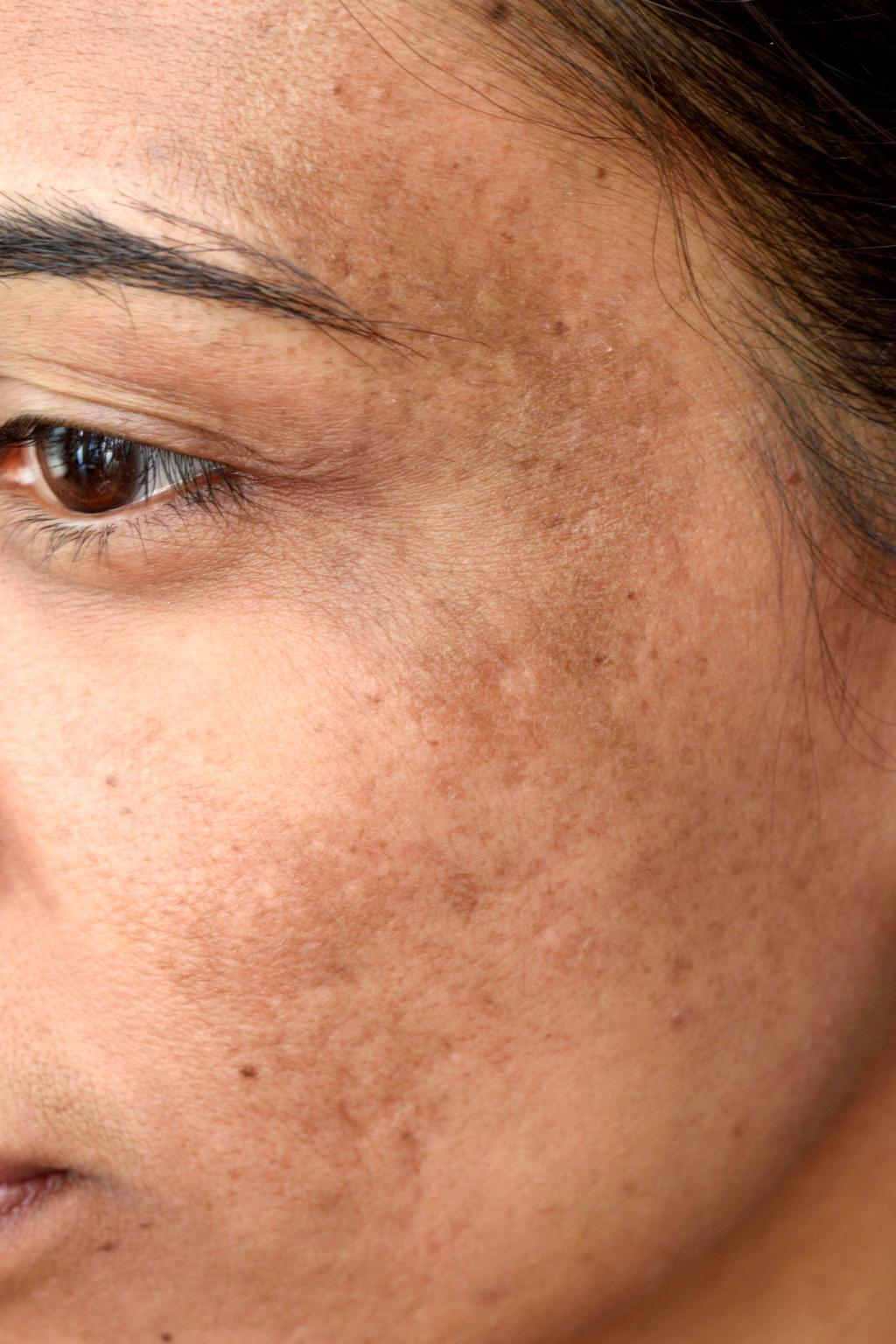
Why Hydroquinone Remains One of the Most Effective Treatments for Hyperpigmentation
Uneven skin tone and dark spots are among the most common reasons people seek dermatological care. Whether caused by acne, sun exposure, hormonal changes, or skin inflammation, hyperpigmentation can persist for months or even years without appropriate treatment.
While many cosmetic products claim to brighten the complexion, prescription-strength hydroquinone has long been considered one of the most effective topical ingredients for reducing excess pigmentation. When used correctly under medical supervision, hydroquinone helps fade stubborn dark patches and restore a more even skin tone over time.
Understanding Hyperpigmentation
Hyperpigmentation occurs when certain areas of the skin produce more melanin than surrounding tissue.
Common types of hyperpigmentation include:
- Melasma
- Post-inflammatory hyperpigmentation (PIH)
- Sun spots
- Age spots
- Freckles
- Pigmentation following skin injuries
Although harmless in most cases, these conditions can significantly affect confidence and quality of life.
What Causes Dark Spots?
Several factors may trigger excess melanin production, including:
- Acne breakouts
- Hormonal fluctuations
- Pregnancy
- Excessive sun exposure
- Skin inflammation
- Burns or injuries
- Certain medications
Without proper treatment, pigment changes may persist long after the original skin problem has resolved.
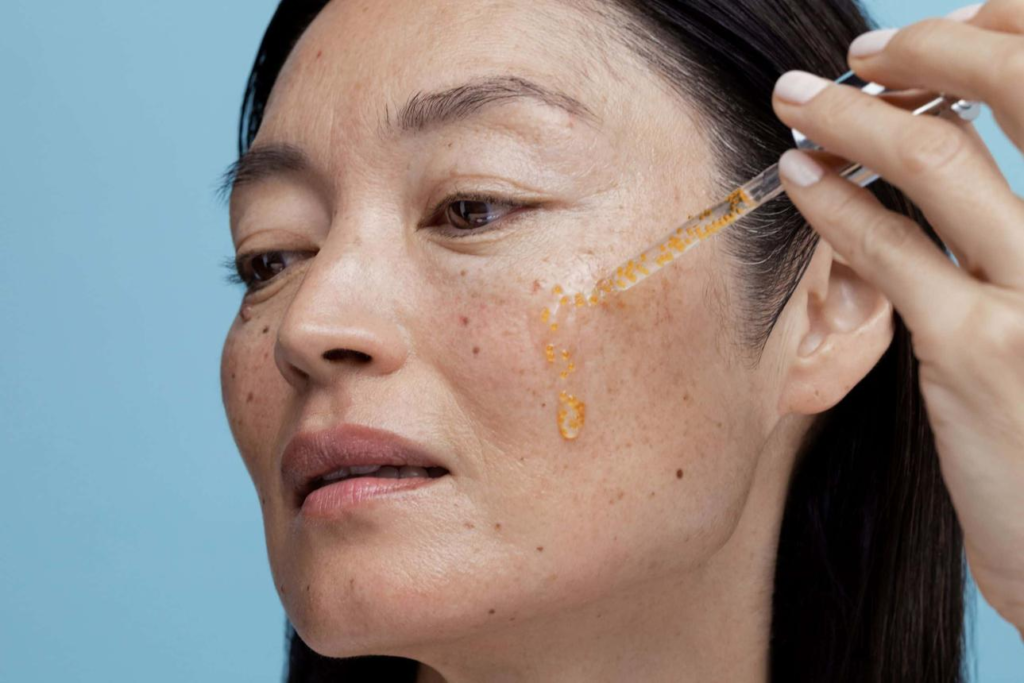
What Is Hydroquinone?
Hydroquinone is a topical depigmenting agent that has been used in dermatology for decades.
Rather than bleaching the skin, hydroquinone works by reducing the activity of tyrosinase, an enzyme involved in melanin production. As new skin cells form with less pigment, existing dark spots gradually become lighter and blend more evenly with the surrounding skin.
Because results develop gradually, consistent application and proper sun protection are essential parts of treatment.
Conditions That May Benefit From Hydroquinone
Healthcare professionals commonly recommend hydroquinone for several pigmentation disorders, including:
Melasma
Melasma causes symmetrical brown or gray patches that usually appear on the cheeks, forehead, nose, or upper lip.
Post-Inflammatory Hyperpigmentation
Dark marks that remain after acne, eczema, burns, or skin irritation often respond well to depigmenting therapy.
Sun Spots
Years of ultraviolet exposure may produce flat brown spots commonly known as age spots or solar lentigines.
Uneven Skin Tone
Some patients use hydroquinone to improve localized areas of uneven pigmentation under professional guidance.
What to Expect During Treatment
Hydroquinone works gradually rather than producing immediate results.
Most patients notice progressive fading of pigmentation over several weeks of consistent use.
Treatment success depends on factors such as:
- The cause of pigmentation
- Skin type
- Depth of pigment
- Consistency of application
- Daily sun protection
Patience is important because pigmentation often improves slowly.
Supporting Better Results
Several healthy skincare habits can improve treatment outcomes.
Wear Sunscreen Every Day
Ultraviolet exposure stimulates melanin production and may reverse treatment progress.
Avoid Picking the Skin
Inflammation caused by scratching or squeezing blemishes may create new areas of pigmentation.
Use Gentle Skincare Products
Harsh exfoliants and irritating cleansers may worsen inflammation and delay recovery.
Follow Professional Advice
Using hydroquinone longer or more frequently than recommended does not necessarily improve results and may increase the likelihood of irritation.
Possible Side Effects
Like many topical medications, hydroquinone may cause temporary side effects during treatment.
Possible reactions include:
- Mild redness
- Dryness
- Skin irritation
- Temporary burning sensation
- Mild peeling
Patients should consult a healthcare professional if severe irritation or unexpected skin changes develop.
Finding Quality Treatment Options
Obtaining prescription skincare products from trusted suppliers helps ensure product quality and consistency.
Patients interested in learning more about Hyde Hydroquinone 5% Solution USP Topical 50ml can review detailed product information, usage recommendations, and formulation details before discussing treatment options with their healthcare provider.
Final Thoughts
Hyperpigmentation is one of the most common cosmetic skin concerns, but effective treatment options are available. Hydroquinone continues to play an important role in dermatology because of its ability to reduce excess pigmentation and improve overall skin tone when used appropriately.
Combined with daily sun protection, gentle skincare, and guidance from a qualified healthcare professional, hydroquinone can help many individuals achieve clearer, more even-looking skin over time.