
Modern Solutions for Adult Acne: Effective Treatments for Clearer Skin
Adult acne is a common skin concern that affects millions of people worldwide. While acne is often associated with teenagers, many adults continue to experience breakouts well into their 20s, 30s, 40s, and beyond. Hormonal changes, stress, lifestyle habits, and environmental factors can all contribute to persistent acne.
Fortunately, modern skincare science has introduced many effective solutions that can help adults manage acne and achieve healthier, clearer skin. Understanding the causes of adult acne and choosing the right treatment approach can make a significant difference.
What Is Adult Acne?
Adult acne refers to breakouts that occur after adolescence or continue from teenage years into adulthood. It can appear in different forms, including:
- Blackheads and whiteheads
- Red and inflamed pimples
- Cystic acne
- Acne around the jawline and chin
- Acne-related dark spots and scars
Unlike teenage acne, adult acne often requires a more personalized approach because it may be influenced by hormones, skin sensitivity, and lifestyle factors.
Common Causes of Adult Acne
Understanding the causes of acne is the first step toward effective treatment. Several factors can trigger or worsen breakouts.
Hormonal Changes
Hormonal fluctuations are one of the most common causes of adult acne, especially in women. Changes in hormone levels can increase oil production, leading to clogged pores and inflammation.
Hormonal acne often appears around:
- The chin
- Jawline
- Lower cheeks
Stress and Lifestyle Factors
High stress levels can affect hormone balance and increase inflammation in the body. Poor sleep, unhealthy eating habits, and lack of self-care may also contribute to acne flare-ups.
Skincare Products
Some cosmetics, moisturizers, and hair products can clog pores and worsen acne. Choosing non-comedogenic products can help reduce the risk of breakouts.
Excess Oil and Dead Skin Cells
When oil and dead skin cells accumulate inside pores, bacteria can grow and cause inflammation, resulting in acne.
Modern Treatment Options for Adult Acne
Today, adults have access to a wide range of acne treatments that target different causes of breakouts. The best approach often combines skincare, medical treatments, and healthy habits.
1. Retinoid-Based Treatments
Retinoids are among the most effective treatments for acne. They are derived from vitamin A and work by increasing skin cell turnover, preventing clogged pores, and improving skin texture.
Common retinoid treatments include:
- Retinol
- Adapalene
- Tazarotene
- Tretinoin
Retinoids can help reduce active acne while also improving acne scars and uneven skin tone over time.
2. Prescription Acne Medications
For moderate to severe acne treatment, dermatologists may recommend prescription treatments. These medications target acne from different angles, including reducing bacteria, controlling oil production, and calming inflammation.
Possible prescription options include:
- Topical antibiotics
- Oral antibiotics
- Hormonal treatments
- Stronger retinoids
A dermatologist can determine the most suitable treatment based on skin type and acne severity.
3. Hormonal Acne Treatments
Because hormones play a major role in adult acne, hormonal therapies can be effective for certain individuals.
These treatments may help regulate hormone-related oil production and reduce recurring breakouts.
Hormonal approaches may include:
- Specific prescription medications
- Hormone-regulating treatments recommended by doctors
4. Advanced Skincare Ingredients
Modern skincare products contain scientifically supported ingredients that help improve acne-prone skin.
Popular ingredients include:
Salicylic Acid
Salicylic acid helps exfoliate inside pores, removing excess oil and dead skin cells. It is especially useful for clogged pores and blackheads.
Benzoyl Peroxide
Benzoyl peroxide helps reduce acne-causing bacteria and can decrease inflammation.
Niacinamide
Niacinamide supports the skin barrier, reduces redness, and helps control excess oil.
Azelaic Acid
Azelaic acid can improve acne, redness, and post-acne discoloration while being gentle on many skin types.
5. Professional Skin Treatments
Dermatology clinics now offer advanced procedures that can support acne treatment and improve skin appearance.
Professional options may include:
- Chemical peels
- Laser treatments
- Light-based therapies
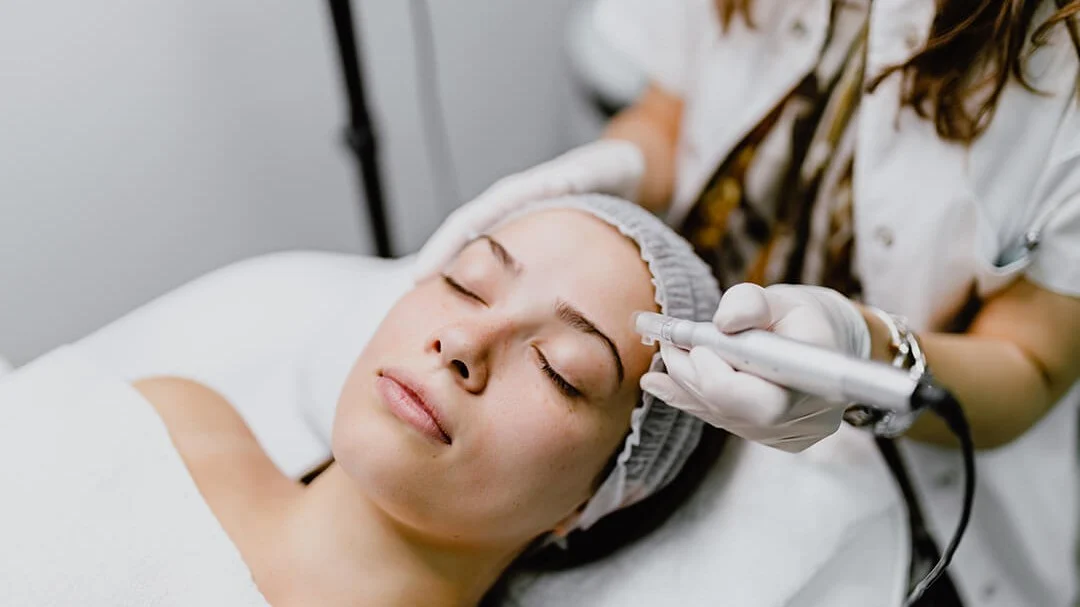
- Microneedling
- Acne scar treatments
These treatments are usually customized according to individual skin concerns.
Building an Effective Adult Acne Skincare Routine
A consistent skincare routine is essential for managing adult acne. A simple routine can often produce better results than using too many products.
Morning Routine
A basic morning routine may include:
- Gentle cleanser
- Acne-targeting treatment (if recommended)
- Lightweight moisturizer
- Broad-spectrum sunscreen
Evening Routine
A nighttime routine may include:
- Cleanser
- Retinoid or acne treatment
- Hydrating moisturizer
Consistency is key because acne treatments usually require several weeks or months to show noticeable improvement.
Lifestyle Changes That Support Clearer Skin
Skincare products are important, but daily habits also influence skin health.
Maintain a Balanced Diet
A diet rich in vegetables, fruits, lean proteins, and healthy fats supports overall skin health. Some people may notice acne improvements by reducing foods that trigger inflammation.
Manage Stress Levels
Stress management techniques such as exercise, meditation, and relaxation activities may help reduce acne flare-ups.
Get Quality Sleep
Poor sleep can affect hormone balance and increase inflammation. Aim for consistent, restful sleep to support healthier skin.
Avoid Over-Cleansing
Washing the face too often can damage the skin barrier and increase irritation. Gentle cleansing is usually more effective.
Common Mistakes When Treating Adult Acne
Many people make mistakes that slow down their progress.
Using Too Many Products
Combining multiple strong acne treatments can irritate the skin and make breakouts worse.
Expecting Immediate Results
Most acne treatments need time to work. Stopping too early may prevent improvement.
Skipping Sunscreen
Sun exposure can worsen acne marks and increase skin sensitivity, especially when using active ingredients.
Picking Pimples
Touching or squeezing acne can increase inflammation and lead to scarring.
When to See a Dermatologist
Professional advice is recommended when:
- Acne is painful or severe
- Breakouts leave scars
- Over-the-counter products do not help
- Acne affects confidence or daily life
- Symptoms suddenly appear in adulthood
A dermatologist can create a personalized treatment plan based on your skin’s needs.
Final Thoughts
Adult acne can be frustrating, but modern treatments provide more solutions than ever before. From advanced skincare ingredients and prescription medications to professional procedures and healthy lifestyle choices, there are many ways to achieve clearer, healthier skin.
The most effective approach is usually a combination of consistent skincare, patience, and professional guidance when needed. With the right strategy, adult acne can be successfully managed and long-term skin health can be improved.